
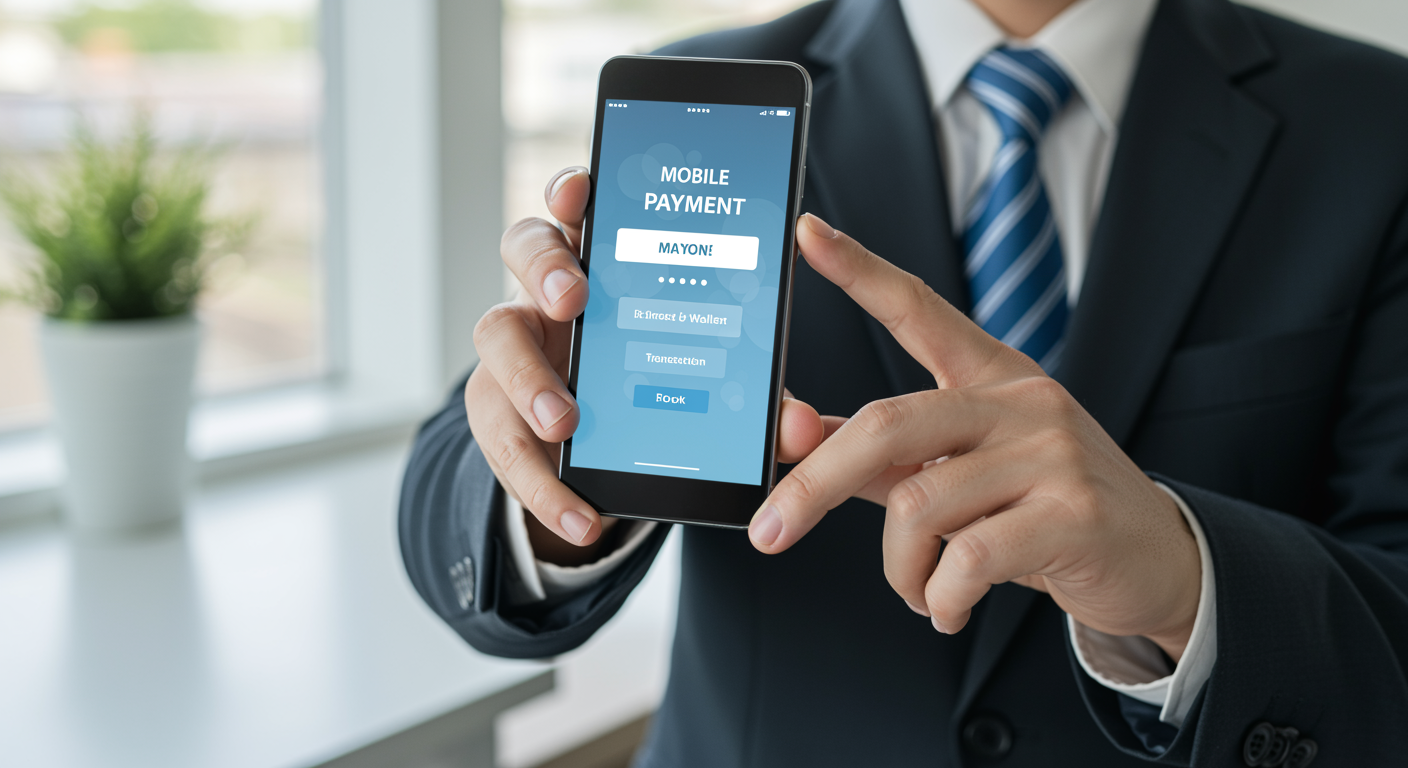
India’s financial landscape has undergone a remarkable transformation over the past decade, with the country rapidly embracing cashless payments and instant digital transactions. This shift has been particularly accelerated by government initiatives like demonetization in 2016, which catalyzed the adoption of mobile wallets and digital payment systems across urban and rural populations alike.
At the heart of this digital revolution lies the Unified Payments Interface (UPI), a government-backed payment system that has revolutionized how Indians handle money. UPI has enabled seamless, secure, and instant transactions through mobile wallets, making digital deposits as simple as scanning a QR code. This robust infrastructure, supported by the Reserve Bank of India (RBI) and National Payments Corporation of India (NPCI), has created one of the world’s most advanced instant payment ecosystems.
What Are Mobile Wallets? Types & Technological Foundations
Mobile wallets, also known as digital wallets or e-wallets, are smartphone applications that store payment information and enable users to make electronic transactions instantly. These platforms have become the backbone of India’s cashless economy, offering convenience, speed, and security for everyday financial transactions.
In the Indian market, mobile wallets are categorized into three distinct types based on their functionality and regulatory framework. Closed wallets like Starbucks or Amazon Pay can only be used for specific merchants, while semi-closed wallets such as Paytm and MobiKwik work across multiple merchants but cannot facilitate cash withdrawals. Open wallets, typically offered by banks, provide full banking services including cash withdrawals and deposits.
The technological foundation of these wallets relies heavily on Near Field Communication (NFC), QR code scanning, and UPI integration. NFC enables contactless payments by bringing devices close together, while QR codes provide a visual method for instant transaction initiation. UPI serves as the underlying infrastructure that connects bank accounts directly to wallet applications, enabling real-time fund transfers without traditional banking delays.
These technologies work in harmony to create an ecosystem where instant deposits become possible through multiple pathways – whether through bank account linking, card-based top-ups, or direct UPI transfers from other wallets or bank accounts.
| Wallet Type | Key Use-Case | Cash Deposit Ability | Regulatory Notes |
|---|---|---|---|
| Closed Wallet | Single merchant transactions | No cash withdrawal/deposit | Minimal RBI oversight |
| Semi-Closed Wallet | Multi-merchant payments | Bank transfer deposits only | RBI PPI license required |
| Open Wallet | Full banking services | Cash deposits at ATMs/branches | Banking license mandatory |
| UPI-linked Wallet | Instant bank transfers | Real-time bank deposits | NPCI compliance required |
| Crypto Wallet | Digital currency storage | Crypto deposits only | Under regulatory review |
How Mobile Wallets Work: Authentication, Linking, Security
The process of setting up and using a mobile wallet for instant deposits follows a systematic approach designed to ensure both convenience and security. Understanding these steps helps users maximize the efficiency of their digital payment experience.
- Download the wallet application from official app stores and complete the initial registration process using your mobile number and email address
- Verify your identity through OTP authentication and complete the Know Your Customer (KYC) process by uploading government-issued ID documents
- Link your bank account by providing account details or using net banking credentials for automatic verification
- Set up security measures including PIN, pattern lock, or biometric authentication (fingerprint/face recognition)
- Add funds to your wallet through various methods including bank transfer, debit/credit cards, or UPI transactions
- Configure transaction limits and notification preferences to monitor all deposit and withdrawal activities
Mobile Wallet Adoption in India: Usage Statistics
The post-demonetization period marked a turning point for mobile wallet adoption in India, with transaction volumes increasing by over 1000% between 2016 and 2023. Currently, India processes more than 8 billion UPI transactions monthly, with mobile wallets accounting for approximately 40% of all digital payment transactions in the country.
Major players like Paytm, PhonePe, and Google Pay collectively serve over 400 million active users, processing transactions worth over ₹10 trillion annually. The rapid adoption has been particularly notable in tier-2 and tier-3 cities, where mobile wallet usage has grown by 300% in the past three years.
Government initiatives like Jan Dhan Yojana and Digital India have further accelerated adoption, with rural areas showing a 250% increase in mobile wallet usage since 2020. This widespread acceptance has created an ecosystem where instant deposits have become not just convenient but essential for daily commerce.
How to Deposit Instantly Using Mobile Wallets: Step-by-Step Process
Making instant deposits through mobile wallets has become incredibly streamlined, thanks to UPI integration and advanced security protocols. The process varies slightly between different wallet providers, but the core methodology remains consistent across platforms.
Modern mobile wallets support multiple deposit methods including direct bank transfers, UPI transactions, QR code scanning, and wallet-to-wallet transfers. Each method is designed to complete transactions within seconds, making them ideal for time-sensitive payments and immediate fund requirements.
- Open your preferred mobile wallet application and ensure you’re logged in with proper authentication
- Navigate to the “Add Money” or “Deposit” section within the app’s main interface
- Select your preferred deposit method – bank account transfer, UPI, card payment, or QR code scanning
- Enter the deposit amount and verify the transaction details including recipient information and fees
- Authenticate the transaction using your chosen security method (PIN, biometrics, or OTP)
- Confirm the deposit and wait for the real-time transaction confirmation and receipt generation
- Verify the deposited amount reflects in your wallet balance and save the transaction reference for future use
Instant Bank Transfers With UPI and Mobile Wallets
UPI integration has revolutionized the instant deposit landscape by creating a seamless bridge between traditional banking and mobile wallet ecosystems. This integration allows users to transfer funds directly from their bank accounts to wallets or vice versa without the traditional 2-3 day processing delays.
The UPI system operates on a real-time gross settlement basis, meaning transactions are processed immediately and funds are available for use within seconds of confirmation. This is particularly beneficial for users who need to make urgent payments or top up their wallets for immediate transactions.
What makes UPI unique is its ability to work across different banking systems and wallet providers, creating a truly interoperable payment ecosystem. Users can send money from a Google Pay account to a Paytm wallet, or transfer funds from their SBI account directly to PhonePe, all within the same unified framework.
Common Errors and How to Avoid Them When Depositing
- Incomplete KYC verification leading to transaction limits – ensure all identity documents are properly uploaded and verified before attempting large deposits
- Incorrect PIN entry or biometric authentication failures – double-check your security credentials and ensure your device’s biometric sensors are clean and functional
- Poor network connectivity causing transaction timeouts – always use stable internet connections and avoid initiating deposits during peak network congestion hours
- Exceeding daily or monthly transaction limits – familiarize yourself with your wallet’s deposit limits and plan large transfers accordingly
- Using outdated app versions that may have security vulnerabilities – regularly update your wallet applications to ensure optimal performance and security
Top Mobile Wallets for Instant Deposits: Features and Comparisons
The Indian mobile wallet market is dominated by several key players, each offering unique features and advantages for instant deposits. Understanding the capabilities and limitations of each platform helps users make informed decisions based on their specific needs and usage patterns.
When comparing mobile wallets for instant deposits, factors like transaction speed, security measures, deposit options, fees structure, and user interface design play crucial roles. Additionally, features like cashback rewards, merchant acceptance, and customer support quality can significantly impact the overall user experience.
The following comparison highlights the most popular mobile wallets in India, focusing specifically on their instant deposit capabilities and unique selling propositions that set them apart in the competitive digital payments landscape.
| Wallet Name | Key Features | Deposit Options | Fees | Security | USP |
|---|---|---|---|---|---|
| Paytm | UPI, QR scanning, bill payments | Bank transfer, cards, UPI | Free for UPI, 2% for cards | 2FA, biometric, PIN | Largest merchant network |
| Google Pay | Voice commands, smart suggestions | UPI only | Free for all transactions | Google security, biometrics | AI-powered insights |
| PhonePe | Multi-language, offline mode | UPI, wallet, cards | Free UPI, variable card fees | Multi-layer authentication | Fastest transaction speeds |
| MobiKwik | Cashback rewards, loans | All methods supported | Competitive rates | Advanced encryption | Highest cashback rates |
| Amazon Pay | E-commerce integration | Cards, UPI, bank transfer | Free for Amazon purchases | Amazon security standards | Seamless shopping integration |
| WhatsApp Pay | Chat-based payments | UPI through WhatsApp | Free transactions | End-to-end encryption | Social payment integration |
| Freecharge | Bill payments focus | Multiple options | Promotional offers | Standard security | Utility payment specialization |
Pros & Cons of Leading Mobile Wallets for Instant Deposits
| Wallet | Pros | Cons |
|---|---|---|
| Paytm | Widest acceptance, comprehensive services | Higher fees on card transactions |
| Google Pay | Zero fees, excellent UX, Google integration | Limited to UPI payments only |
| PhonePe | Ultra-fast processing, multi-language support | Occasional server downtimes |
| MobiKwik | High cashback, credit facilities | Smaller merchant network |
| WhatsApp Pay | Social integration, familiar interface | Limited user base, basic features |
Emerging Wallets & Innovations in Instant Deposits
The Indian fintech landscape continues to evolve with new players introducing innovative features for instant deposits. Apps like Cred focus on credit card bill payments with instant reward systems, while Jupiter and Fi offer next-generation banking experiences with instant deposit capabilities integrated into comprehensive financial management platforms.
Niche players like Slice and KreditBee are targeting specific demographics with tailored instant deposit solutions, particularly focusing on credit-based instant deposits for users who need immediate access to funds. These emerging platforms often leverage artificial intelligence and machine learning to offer personalized deposit limits and instant credit facilities based on user behavior and transaction history.
Security & Regulatory Framework: Staying Safe with Instant Deposits
The security infrastructure surrounding mobile wallet instant deposits in India is built on multiple layers of protection, governed by comprehensive guidelines from the Reserve Bank of India (RBI) and enforced through the National Payments Corporation of India (NPCI). These regulatory frameworks ensure that user funds and personal information remain secure throughout the deposit process.
RBI’s Payment and Settlement Systems Act provides the legal foundation for all digital payment activities, while specific guidelines for Prepaid Payment Instruments (PPI) regulate mobile wallet operations. These regulations mandate strict security protocols, transaction limits, and consumer protection measures that all wallet providers must implement to maintain their operating licenses.
- Two-Factor Authentication (2FA) mandatory for all transactions above ₹2,000, combining something you know (PIN) with something you have (mobile device)
- Biometric authentication including fingerprint, face recognition, and voice recognition for enhanced security on supported devices
- End-to-end encryption of all transaction data using 256-bit SSL encryption standards to prevent data interception
- Real-time transaction monitoring using AI-powered fraud detection systems that flag suspicious activities immediately
- Tokenization of sensitive payment information ensuring that actual card or bank details are never stored or transmitted
- Mandatory transaction limits for unverified accounts (₹10,000 monthly) and verified accounts (₹1,00,000 monthly) to minimize potential losses
- Digital forensics capabilities for transaction tracing and dispute resolution through comprehensive audit trails
How to Identify a Secure Wallet App: Key Signals
- Verify the app is published by the official company and check for RBI/NPCI compliance certificates displayed in the app’s security section
- Look for security certifications like ISO 27001, PCI DSS compliance, and SOC 2 Type II attestation which indicate adherence to international security standards
- Ensure the app requires strong authentication methods and offers multiple security layers including PIN, biometrics, and device binding
- Check for regular security updates and vulnerability patches by reviewing the app’s update history and security announcements
- Confirm the presence of customer support channels and clear dispute resolution mechanisms for security-related issues
User Responsibilities for Safe Instant Deposits
- Keep your wallet applications updated to the latest versions to ensure you have the most recent security patches and features
- Always verify QR codes and payment details before confirming transactions, especially when making deposits to new recipients or merchants
- Never share your wallet PINs, passwords, or OTPs with anyone, including customer support representatives who should never ask for these details
- Use secure networks for transactions and avoid public Wi-Fi when making instant deposits or accessing wallet applications
- Enable transaction notifications and regularly monitor your account statements to quickly identify any unauthorized activities
UPI-ICD & Government Initiatives Boosting Instant Deposit Experiences
The Unified Payments Interface-Interoperable Cardless Deposit (UPI-ICD) system represents a significant advancement in instant deposit technology, enabling users to deposit cash into their mobile wallets through ATMs and banking correspondents without requiring physical cards. This initiative has particularly benefited users in rural and semi-urban areas where digital literacy is still developing.
Government-backed initiatives like Digital India and Jan Dhan Yojana have created an ecosystem where instant deposits are not just convenient but essential for financial inclusion. These programs have established the infrastructure necessary for seamless digital transactions while ensuring that even the most remote areas have access to instant deposit facilities.
The NPCI’s continued innovations, including UPI 2.0 features like invoice-based payments and signed intent, have enhanced the instant deposit experience by providing more secure and user-friendly transaction methods that integrate seamlessly with mobile wallet platforms.
| Initiative | Instant Deposit Mechanism | Reach | User Impact |
|---|---|---|---|
| UPI-ICD | Cardless ATM cash deposits | 200,000+ ATMs nationwide | 24/7 cash-to-wallet conversion |
| Digital India | QR-based instant deposits | 600,000+ villages covered | Rural financial inclusion |
| Jan Dhan Yojana | Direct benefit transfers | 460+ million accounts | Instant subsidy deposits |
| UPI AutoPay | Automated recurring deposits | All UPI-enabled platforms | Scheduled instant deposits |
How UPI and Instant Wallets Work Together for Real-Time Deposits
The synergy between UPI and mobile wallets creates a seamless ecosystem where users can move money instantly between bank accounts, wallets, and merchants without traditional banking delays. This integration allows wallets to act as both payment instruments and temporary fund storage systems, with UPI providing the underlying rails for instant settlement.
When a user initiates an instant deposit from their bank account to a mobile wallet via UPI, the transaction bypasses traditional clearing systems and settles in real-time through the NPCI’s instant payment infrastructure. This means funds are immediately available for use, whether for merchant payments, bill settlements, or further transfers to other wallets or bank accounts.
Tips to Maximize Speed, Savings & Rewards from Instant Deposits
Optimizing your instant deposit strategy can significantly enhance both the speed of transactions and the rewards you earn from regular usage. Understanding the best practices for timing, method selection, and platform choice can help you minimize costs while maximizing benefits from cashback programs and promotional offers.
Smart users leverage multiple wallets strategically, using each platform’s strengths for specific types of deposits and transactions. This approach not only diversifies risk but also allows users to take advantage of different reward structures and promotional campaigns offered by various wallet providers throughout the year.
- Choose UPI-based deposits over card-based methods to avoid processing fees and enjoy faster settlement times
- Take advantage of cashback offers during promotional periods, but read terms carefully to understand minimum transaction requirements
- Use bank account-to-wallet transfers during off-peak hours (typically 2 AM to 6 AM) when network congestion is lowest
- Set up automatic deposits for recurring payments to ensure you never miss promotional interest rates or cashback multipliers
- Monitor your transaction limits across platforms to avoid failed deposits due to exceeding daily or monthly caps
- Link multiple bank accounts to different wallets to optimize for the fastest processing times based on each bank’s UPI performance
- Enable instant notifications for all deposit activities to track successful transactions and quickly identify any issues requiring attention
How to Troubleshoot Delayed Deposits or Failed Transactions
- Check your internet connection stability and retry the transaction after ensuring you have a strong network signal
- Verify that your bank account has sufficient balance and hasn’t been temporarily blocked for security reasons
- Contact your wallet’s customer support immediately with the transaction reference number if a deposit fails but amount is debited
- Use the app’s built-in transaction status checker to track deposits that appear to be processing for longer than expected
- Clear your app cache and restart the application if you experience repeated transaction failures or app crashes
Best Times to Use Instant Deposit to Avoid Slowdowns
- Avoid peak hours (12 PM-2 PM and 7 PM-9 PM) when network traffic is highest and transaction processing may slow down
- Schedule large deposits during early morning hours (6 AM-9 AM) when banking systems are typically operating at optimal capacity
- Plan deposits for weekdays rather than weekends when some banking partners may have reduced processing capabilities
- Avoid making deposits during major festivals or holidays when transaction volumes typically spike across all platforms
- Use the first few days of the month for large deposits as many users receive salaries and benefits, potentially causing network congestion later
Future Trends: Mobile Wallets and Instant Deposits in India (2026+)
The future of mobile wallets and instant deposits in India is poised for revolutionary changes driven by emerging technologies like artificial intelligence, blockchain integration, and advanced biometric authentication. By 2026, we can expect to see AI-powered predictive deposits that automatically manage fund transfers based on spending patterns and upcoming payment obligations.
Near Field Communication (NFC) technology adoption is expected to accelerate significantly, enabling instant deposits through simple device proximity without requiring QR code scanning or manual input. This will be particularly transformative for users with visual impairments or those in environments where screen-based interactions are challenging.
The integration of Central Bank Digital Currency (CBDC) with existing mobile wallet infrastructure will create new paradigms for instant deposits, potentially offering government-backed digital currency options alongside traditional bank-linked deposits. Cross-border instant deposits are also expected to become mainstream, allowing Indian users to send and receive international transfers with the same ease as domestic transactions.
Predicted Challenges & Opportunities for Instant Wallet Deposits
- Cybersecurity threats will become more sophisticated, requiring continuous innovation in fraud detection and prevention mechanisms
- Regulatory compliance complexity will increase as government oversight expands to cover emerging technologies and cross-border transactions
- Financial inclusion gaps may widen if rural infrastructure development doesn’t keep pace with urban technological advancement
- Artificial intelligence integration will enable personalized deposit limits and predictive financial planning features for better user experience
- Cross-border payment partnerships will open opportunities for instant international deposits and remittance services at competitive rates